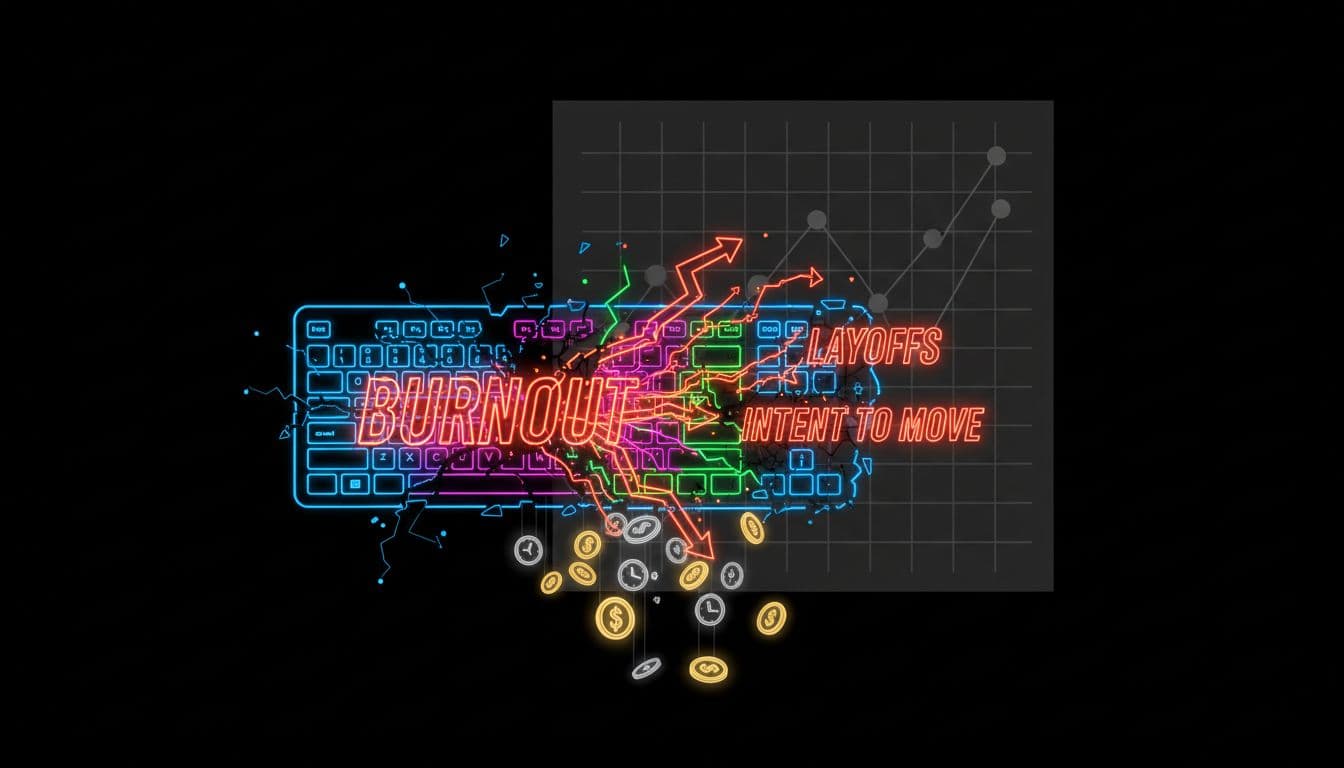
In the fast-moving world of tech hiring, talent teams and founders often find themselves in a frustrating race—scrambling to adapt only after official data finally confirms shifts they already sensed weeks ago. Why do so many recruitment plans, especially in software, seem a quarter late and a cohort short when layoffs, burnout, or mass relocation start reshaping the market? The answer: most still rely on rearview-mirror indicators, missing the vital signals glowing in developer sentiment and open channels long before institutional reports catch up.
In today’s volatile tech landscape, jobs are lost, roles are reinvented, and company loyalty bends under remote work and cross-border migrations. But before these tectonic shifts reach the job boards or HR dashboards, ripples appear: burnout confessions bubbling on forums, a rash of #OpenToWork posts, spikes in relocation talk, or GitHub activity quietly tapering off. These are not anecdotes—they are the real-time radar of the talent market, visible to anyone equipped with the right listening tools and the will to act swiftly.
This article unpacks how job market signals and authentic developer sentiment function as an early-warning system for talent timing. Discover how founders and talent teams using modern, agentic approaches—like WorkorAI’s Talent Profile and Career Agent—can operate ahead of outdated hiring lag, securing top engineers and adapting before the competition even refreshes its hiring report.
Recognizing Early Job Market Signals
Today's hiring leaders don't have to wait for quarterly summaries to detect brewing storms or golden opportunities. Developer sentiment and public job market signals are everywhere, if you know where to look.
| Signal Type | What to Watch | Example Source | What It Reveals |
|---|
| Layoff Posts | #OpenToWork tags | LinkedIn, Twitter | Active job seekers, market shift |
| Burnout Chatter | Burnout mentions | Dev.to, Reddit | Retention risk, workload spikes |
| Relocation Moves | Remote/country tags | Dev profiles | Talent migration, regional shifts |
| GitHub Activity | Change in commits | Public repos | Engagement, side projects, exits |
Where traditional “lagging” metrics—official hiring data, exit surveys, even most ATS dashboards—resemble last quarter’s beautifully formatted weather recap, developer sentiment is the digital radar mapping out what’s forming in real time. For those who wait for the reports, the market’s already moved on. Yet for teams watching public repositories, social forums, and engagement shifts, opportunity knocks while it’s still fresh.
Why Developer Sentiment Outpaces Reports
The root contradiction is simple: classic reports must gather, anonymize, and aggregate data—often under NDA or legal review—while developer sentiment moves at the pace of a tweet or open-source commit. Top engineers don’t file quarterly disclosures; they articulate their frustrations or changed priorities in the very spaces where projects, teams, and recruiters already interact.
A relevant case: during the 2023 tech downturn, developer communities on Reddit and Dev.to buzzed with threads about layoffs, burnout, and emerging remote hiring streaks at least two weeks prior to any public layoff announcement or swing in hiring analytics. Talent teams equipped to monitor these organic conversations were able to engage highly skilled, “quietly available” engineers before their profiles ever hit the job boards.
Acting Ahead—How Modern Teams Move Sooner
So, what’s the secret sauce handful of nimble teams use to move first on emerging talent trends? The answer lies in agentic workflows: founder-driven, AI-guided talent operations that monitor and interpret context directly where developers signal change.
Practical steps for getting ahead:
- Monitor structured developer context—including burnout, role risk, and upskilling goals—using tools like the WorkorAI Talent Profile. This delivers clarity far beyond the static CV.
- Deploy personal AI agents—powered by the Model Context Protocol (MCP)—to keep a finger on the pulse both in the broader market and within your own teams.
- Automate alerting for telltale spikes: sudden increases in layoff chatter, sharp falloffs in side project activity, or migration tags signaling a regional talent exodus.
Contrast this with slow-moving enterprises: by only reacting after HR digests quarterly data, they miss the top decile of engaged, available, and mobile engineers—many of whom telegraphed their availability or risk of churn in public signals weeks prior.
For practical strategies on building an adaptive hiring pipeline, see 5 signs your talent pipeline blocks top hires now and Active search AI prompt for smarter job matches.
Bridging AI and Real-World Signals with WorkorAI
The next frontier is not just tracking signals, but integrating them directly into talent workflows. With the WorkorAI Career Agent, each developer’s unique context—skills, current goals, burnout risks, even relocation intentions—can be surfaced within their personal AI agent (Claude, Codex, Cursor, or Gemini). This gives talent teams a panoramic view, not just of static résumés, but living, breathing market signals.
The payoff: talent leaders act on actionable, pre-validated signals and see not just where the market was, but where it’s going. This is the true “career radar,” alive and moving. For hands-on guidance, explore “agentic job search” in Agent-ready hiring: CTOs choose WorkorAI now and learn about bridging signal context with internal workflows.
FAQ
Question: How can early job market signals give my hiring team an advantage?
Answer: By spotting layoff and burnout chatter before it hits official channels, teams engage talent proactively, securing key hires ahead of the competition and minimizing disruptive surprises.
Question: Is developer sentiment really more reliable than classic market reports?
Answer: It’s not a matter of replacement, but amplification. Developer sentiment consistently surfaces industry shifts weeks in advance, empowering teams to act with greater agility and confidence.
Question: What’s a practical way to watch these signals?
Answer: Track WorkorAI Talent Profile data and monitor developer forums using an MCP-connected personal AI agent to automate signal tracking—delivering insight, not overload.
Question: Will focusing on these signals really improve talent retention?
Answer: Teams that adjust quickly to burnout or relocation indicators can re-align roles and offers early, retaining valuable developers before disengagement forces an exit.
Question: How does agentic job search benefit businesses?
Answer: Agentic job search lets AI tools filter and prioritize talent based on live, contextual signals—delivering the right fit before conventional channels even adjust to market changes.
In today’s competitive talent market, speed and foresight aren’t optional—they define tomorrow’s industry leaders. By harnessing job market signals, particularly authentic developer sentiment around burnout and layoffs, founders and talent teams can act two steps ahead, securing rare talent and adapting ahead of major shifts. WorkorAI transforms these signals into structured, actionable insight—giving your hiring team radar where others are still reading yesterday’s forecast. For more, visit WorkorAI.
Ready to catch the next shift before it becomes a headline? Run the install command for WorkorAI Career Agent in your personal AI agent environment and bring live job market signals into your workflow. Subscribe, discuss, or connect with the team—and lead your company into the era of agentic talent intelligence.