5 signs your talent pipeline blocks top hires now
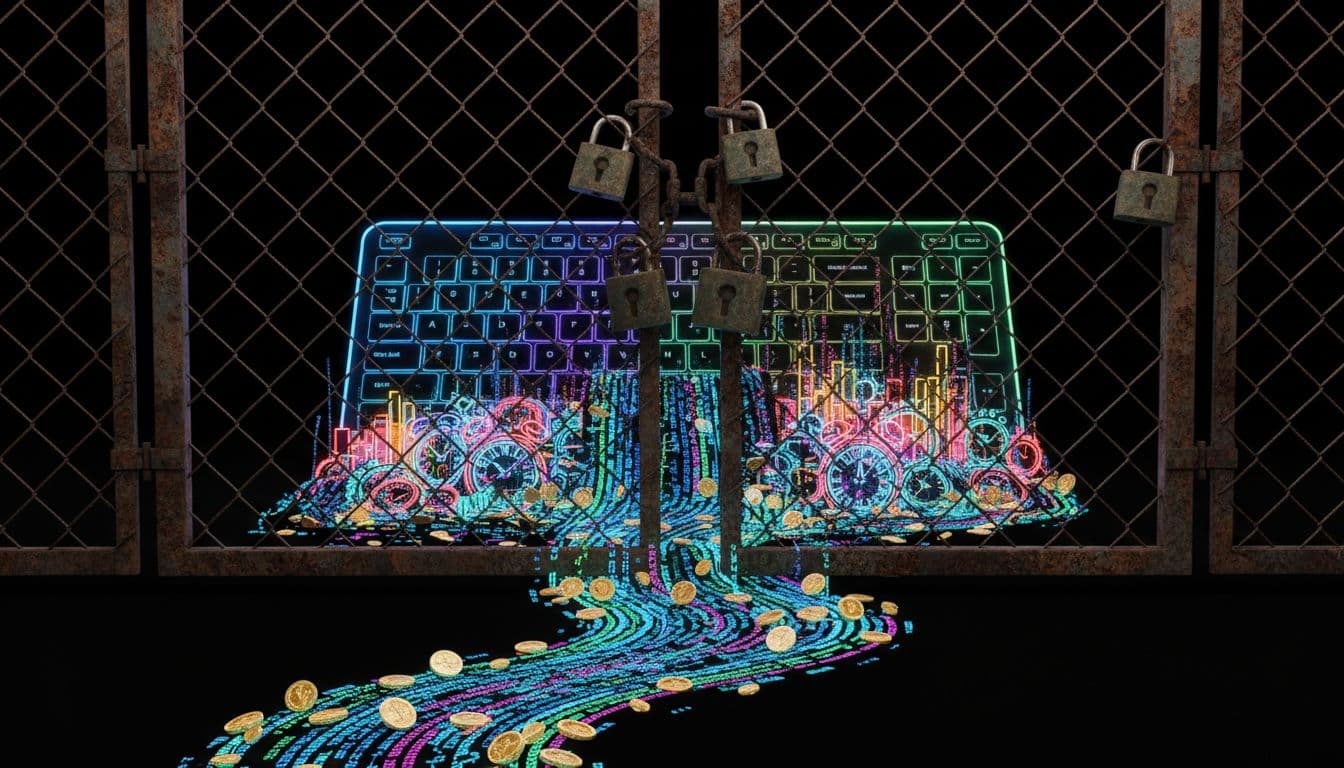
Few hiring traditions are as stubborn—and quietly limiting—as the interview opener, “Tell me about yourself.” This relic endures in many pipelines, yet for ambitious HR leaders seeking to secure the best talent on a competitive market, relying on such tactics is fast becoming a liability. As candidate expectations skyrocket and the tech landscape morphs almost daily, a static, generic approach isn’t just underwhelming—it actively shuts out top hires.
Today’s market rewards dynamic, responsive hiring systems. For HR directors, identifying whether your talent pipeline is pulling your company forward—or holding it back—has never been more urgent. This article spotlights five unmistakable signs that reveal hidden blockages in your pipeline, and lays out the blueprint for shifting to Modern Hiring. Consider it your diagnostic tool—and your springboard to the front of the talent race.
The Legacy Trap—Why “Tell Me About Yourself” Is Not Enough
The charm of a good icebreaker fades quickly when every intake call feels like déjà vu. Classic interview routines risk missing the signals that truly matter. Where traditional “getting to know you” chats often focus on narrative and comfort, Modern Hiring zeroes in on observable skills, real-world problem-solving, and unique digital footprints. By relying on time-worn scripts over actionable data, companies risk opportunity loss—failing to spot brilliant candidates whose resumes don’t tell the full story.
Classic Intake Call vs. Modern Hiring Signals
| Classic Call | Modern Assessment Signals |
|---|
| Generic questions | Skills-based scenario testing |
| Resume review | Code quality, GitHub analysis |
| Subjective impressions | Transparent, data-backed scoring |
Curious about how real skill signals work? Explore our guide to Semantic Search in Tech Hiring at WorkorAI.
Sign 1. Slow Feedback Loops Drive Talent Away
Nothing deflates candidate enthusiasm faster than silence or sluggish updates. Delayed communication—whether after an initial call or a coding test—invites top talent to look elsewhere. Missed follow-ups and unclear timelines quietly erode brand perception, resulting in candidate drop-off and a thinner talent pool.
Modern Solution: AI-powered real-time feedback tools automatically update candidates at each stage, keeping engagement high and reducing dropout rates. Responsive communication reflects a progressive culture—which top hires recognize instantly.
Sign 2. Skill Assessment Takes a Backseat to Resume Summaries
Too many pipelines are still anchored to résumés: emphasis falls on alma maters, big logo employers, and “years of experience.” While history matters, it’s skills-in-action that drive business outcomes. Overlooking actual competency means missing out on high-potential hires who outpace on-the-job.
Growth in Action: Organizations deploying skills-first AI assessments has seen offer acceptance rates climb by up to 15%. Code quality evaluations, technical deep-dives, and real-world project reviews surface capabilities that résumé summaries just can’t capture. For a practical roadmap, see Why Code Quality Always Wins.
Sign 3. Every Candidate Feels Like a Number
A pipeline that treats applicants as interchangeable inevitably loses those who want to be valued. Mass emails, standardized questions, and rigid scheduling fail to build rapport with high-potential candidates. Engagement plummets; brand loyalty never gains traction.
Modern Shift: Today’s leading teams use personalized outreach, automated yet human-centric communications, and adaptive nudges to build real candidate relationships. The result? Higher engagement, stronger referrals, and more accepted offers.
Sign 4. Hiring Decisions Rely on Gut Rather Than Data
The “we just liked them” approach is a gamble—and an inefficient one. Intuitive, backroom decision-making, however well-intentioned, breeds bias and lacks transparency. Gut feel can help—but unchecked, it obscures the logic that both candidates and business leaders crave.
Transparent Solution: Data-driven decision frameworks and standardized scoring rubrics bring clarity. When hiring panels align scores on tech skills, culture add, and learning agility, everyone sees how and why offers are made. This is a win for compliance, diversity, and ultimately for innovation. Interested in how data can close senior hires in days? Check out Senior Dev Hires in 5 Days with Remote AI.
Sign 5. One-Size-Fits-All Pipelines Ignore Unique Talent Paths
Rigid recruitment flows—start here, complete these steps, pass or fail—rarely fit the nuanced journeys of senior engineers, creative leaders, or in-demand specialists. When every role and candidate is shoehorned into a linear process, flexibility (and candidate fit) is sacrificed.
Modern Antithesis: Flexible pipelines respond to live candidate signals. Smart systems skip irrelevant stages or fast-track exceptional applicants, reducing time-to-hire and boosting the alignment between hire and role. Companies adopting adaptive pipelines report time-to-hire improvements of 20% and greater retention.
FAQ
How do I know if my current Talent Pipeline is losing me top candidates?
Look for chronic drop-off after interviews, slow response times, and repeated failure to close preferred hires—these are signals of pipeline friction.
What are first steps to transform an obsolete process into Modern Hiring?
Begin by mapping the candidate journey, identifying high-friction points, and introducing skills-based assessment tools coupled with transparent feedback mechanisms.
Is AI assessment valid for all roles?
AI assessment is most effective for roles with observable, measurable outputs (e.g., engineering, analytics). For more subjective fields, combine AI with structured human review.
What KPIs prove Modern Hiring success?
Monitoring time-to-hire, candidate drop-off rates, offer acceptance, and post-hire performance gives a full picture of pipeline health and Modern Hiring ROI.
Can big companies adapt without losing “corporate” rigor?
Absolutely. Corporates benefit by layering AI-driven, flexible workflows atop existing standards, creating consistent yet adaptive talent evaluation.
Conclusion
Recognizing these telltale signs is the first step in evolving your pipeline from a passive filter into an active talent magnet. The power of Modern Hiring lies in its clarity, adaptivity, and speed—turning HR from an administrative function into a strategic driver for growth. Begin by looking honestly at each pipeline stage: each inefficiency is not an accusation, but an opportunity for immediate improvement and competitive advantage.
CTA Block
The real question isn’t whether you need a modernized hiring pipeline, but how urgently you want to attract the talent your roadmap demands. Audit your process today—will your candidate experience delight or deter? Start with a fresh take on your first interview question, and subscribe for ongoing insights that will keep your hiring sharp, relevant, and ahead of the curve.
Further Reading
Explore more at WorkorAI.