Timezone fit: why remote hiring fails at workorai
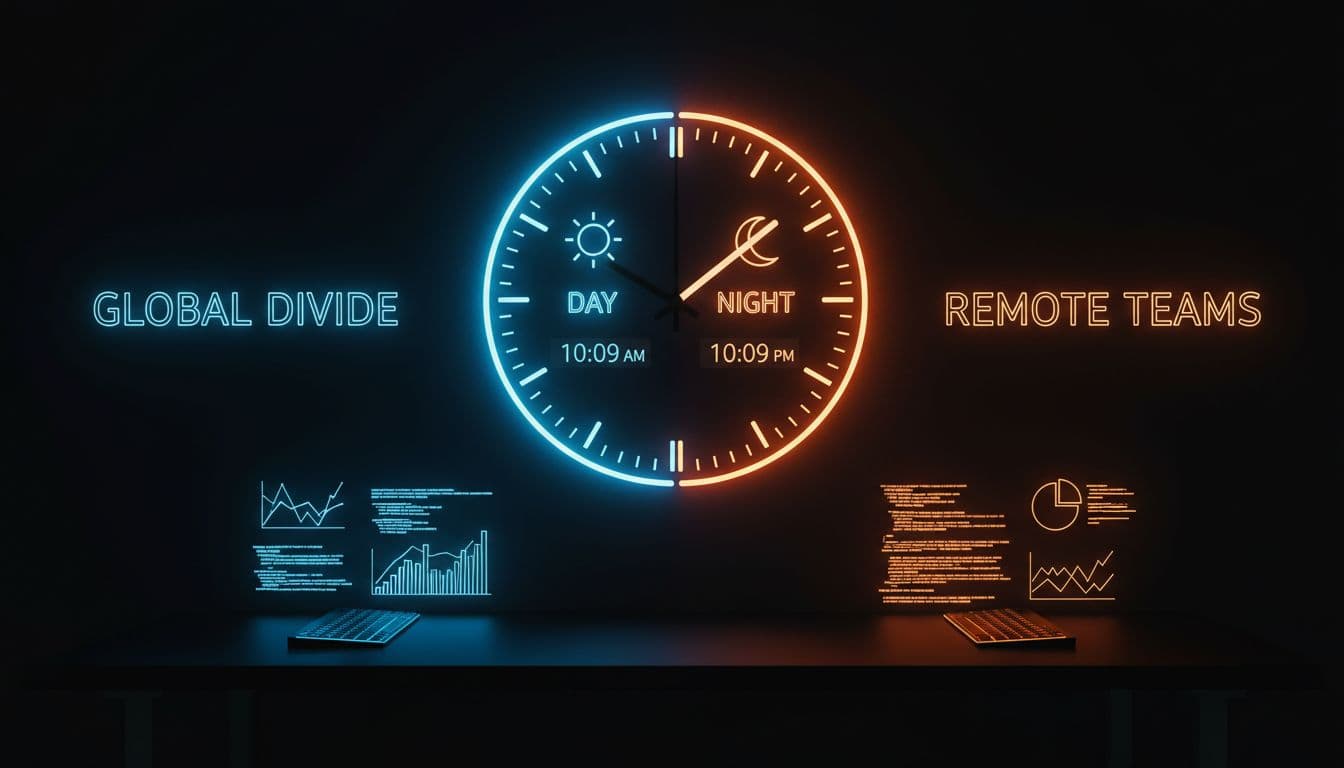
When distributed teams span continents, the promise of “global talent on demand” often dissolves into operational confusion. Many remote hiring managers cheer a perfect stack match, only to puzzle months later over missed deadlines and project slip-ups. The culprit is usually standing in plain view: timezone fit. In today’s agentic, high-velocity world—where job searches are automated and developer productivity is measured in micro-iterations—glossing over this key detail can undermine even the most technically sophisticated teams.
Understanding why timezone fit matters isn’t about romanticizing office watercoolers or dismissing classic hiring. It’s about acknowledging the operational reality: collaboration rhythm drives outcomes as much as code quality does. Even teams fluent in async tools soon notice that too few shared hours quietly erode momentum, slow feedback loops, and chip away at morale. This article unpacks how timezone misalignments derail distributed teams—and how WorkorAI makes timezone fit visible, actionable, and integral to remote hiring success.
Why Remote Hiring Fails (When Skill Isn’t the Issue)
There’s an all-too-familiar script for distributed teams: initial onboarding buzz gives way to sync meetings at awkward hours, while code reviews stall and feedback dribbles in late. The technical assessment still checks every box, yet business velocity sputters. Why does this happen?
Root causes of failed remote collaborations:
- Invisible Collisions: Overlapping hours shrink to a slim window. What should be dynamic daily syncs turn into midnight marathons, causing team alignment to drift.
- Async Alone Isn’t Enough: Asynchronous tools like Slack and Notion can’t smooth over a ten-hour gap. Questions linger, blockers multiply, and decisions stall.
- Cultural Rhythm vs Time Reality: “Async-first” may be trending, but major product sprints and launches still need real-time collaboration to succeed. Miss this, and delivery suffers.
Antithesis Example:
Before: A US-based startup recruits two top-tier Elixir developers from Eastern Europe for a vital product push. The code is pristine, but demos keep sliding because the team’s shared hours barely exceed 30 minutes a day.
After (with timezone fit): Using WorkorAI, the same startup finds developers who overlap for 4–5 hours each workday. Delivery accelerates, blockers dissolve in real time, and velocity is back on track.
Explore more about pipeline optimization in 5 Signs Your Talent Pipeline Blocks Top Hires (Now).
Timezone Fit: The Overlooked Architecture of Distributed Teams
Not all time zone gaps are created equal. What sounds like a minor detail on paper can turn dream teams into puzzling bottlenecks. Timezone fit is the hidden scaffolding that supports (or topples) remote productivity.
How WorkorAI Makes Timezone Fit Actionable
- Career Context Integration: WorkorAI Talent Profiles seamlessly incorporate timezone, preferred work hours, and collaboration rhythm, moving beyond “where are you” to “how do you work best.”
- Precision Matching: AI-powered evaluation considers both technical stack and real collaboration windows, surfacing roles where time and talent align for genuine teamwork.
- Risk Forecasting: The WorkorAI Career Agent flags not just suitable jobs, but also warns when apparently perfect roles may run aground on timezone mismatches—before friction appears.
Table: Why Timezone Fit Wins (and Misses)
| Scenario | Stack Fit | Timezone Overlap | Result |
|---|
| US org, Asia dev, async | Yes | 1 hour | Delays, burnout, churn |
| EU org, Africa dev, overlap | Yes | 6 hours | Fast delivery, low drift |
| AU org, US dev, mismatch | Yes | <1 hour | Dropped sprints, misfires |
The roadmap for successful remote hiring is agentic: let your WorkorAI Career Agent spot these lurking operational risks before they morph into budget sinkholes.
Read more about agentic job search in Agentic Job Search: When an AI Agent Finds Developer Roles.
Checklist: Ensuring Timezone Alignment in Remote Hiring
- Confirm minimum daily overlap (aim for at least 3–4 hours).
- Use WorkorAI Career Agent to screen for both technical stack and timezone alignment from the outset.
- Check not just city locations, but also daylight saving and seasonal adjustments.
- Treat collaboration rhythm as an essential proficiency, not just a “nice to have.”
Discover how to level up your job search in 5 AI Career Prompts For a Better Developer Job Search.
Connected Topics
- Agentic job search: How AI agents match candidates using operational and technical criteria, not just buzzwords.
- Distributed teams: Modern practices that fuel cohesive delivery across time zones and cultures.
- WorkorAI Talent Profile: Structuring complete career context (skills + rhythm + availability) for smarter hiring matches.
FAQ
What is timezone fit and why is it crucial in remote hiring?
Timezone fit means having enough real overlap in working hours for live collaboration. Even the most skilled developers falter if they can’t reliably sync with their team daily.
Can async work solve all timezone problems?
Async tools are powerful, but essential stages—planning, code review, launches—require synchronized time. Too little overlap slows progress and fragments team cohesion.
How does WorkorAI address timezone fit?
WorkorAI profiles include timezone, work hour preferences, and collaboration rhythms. Its Career Agent uses these to match talent with roles promising sustainable, productive overlap.
Is timezone fit just about “same office hours?”
No—WorkorAI matches consider flexibility, daylight saving changes, and collaboration rhythm for truly smart alignment, not just geographic proximity.
Can developers control what timezone data is shared?
Yes—developers own their WorkorAI Talent Profile and manage exactly what collaboration or availability details are shared.
Timezone fit isn’t a technical checkbox; it’s the choreography that lets distributed teams deliver at performance pace. Overlooking it can sabotage even the boldest hiring strategies. WorkorAI puts timezone fit at the center of the matching process, ensuring every remote hire has the team rhythm to deliver, not just impress on paper.
Ready to transform your remote career with intelligent timezone fit? Supercharge your agentic workflow and let WorkorAI Career Agent match you where both your skills and your hours shine. Install WorkorAI Career Agent now—wherever you code—and see the difference real overlap makes.