Why async work beats timezone overlap every time
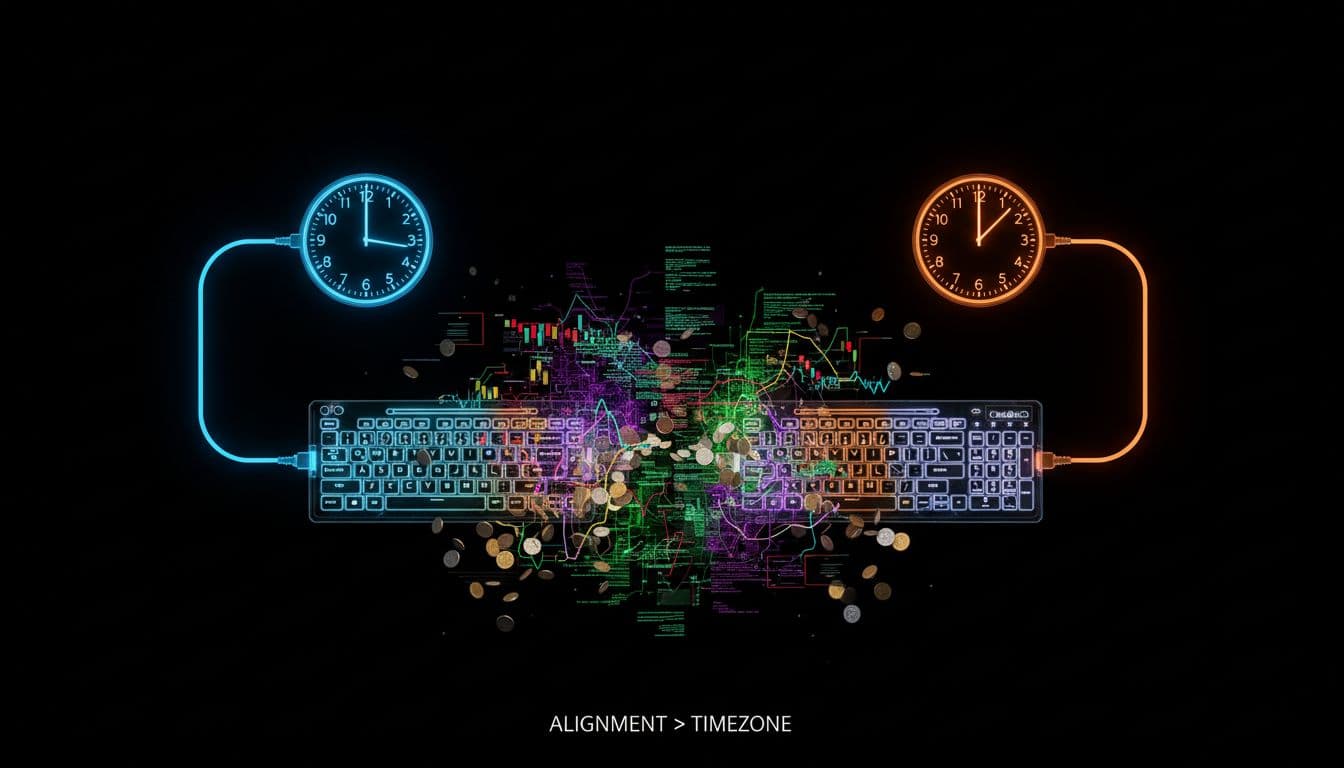
Async work vs timezone overlap has become a battleground for distributed teams, but the real challenge isn’t just a calendar conundrum—it’s building a modern remote culture that enables genuine progress, no matter where the sun sets or rises. Too often, companies hire by the clock and miss by the mile: two engineers might share a perfect schedule but produce runaway merge conflicts when documentation is in limbo, feedback takes ages, or decisions vanish into a chat abyss. Let’s unpack why true async collaboration—especially when powered by WorkorAI career context and agentic workflows—leaves basic timezone-matching in the dust, and how both developers and managers can leverage this shift for team breakthroughs that last.
The Faulty Promise of Timezone Overlap
For years, conventional wisdom held that remote collaboration was solved once you hired across adjacent time zones. Find overlap, sync meetings, celebrate with a virtual high-five. Reality, however, had an update: as teams grew more global, sheer schedule alignment became little more than a placebo. Productivity, alignment, and team fit never hinged on a digital wall clock. Instead, lacking defined work norms, documentation habits, or async decision-making paths, those “golden hours” often turned into a traffic jam—everyone online, yet nobody clear on the next step.
Why this old model breaks down:
- Meetings get crowded and repetitive, siphoning energy from actual building.
- Details melt away in a soup of DM threads and documentation nobody trusts.
- Unclear response expectations lead to silent stalls and late-night emergencies.
- High overlap simply means higher payroll costs if workflows aren’t built for distributed speed.
It’s a bit like handing every traveling teammate the same power adapter—helpful, maybe, until you realize the connections still don’t fit the actual work.
Async Culture Fit: The Real Engine Behind Distributed Teams
So, what separates the high-velocity teams from the ones stuck in timezone purgatory? Async isn’t just a trendy label. Teams that flourish prioritize top-tier documentation, seamless handoffs, and transparent decision trails. Async work empowers contributors to review, create, and resolve on their schedule, slashing dependency on crowded calendar slots—a model which gracefully accommodates growing, international teams.
Core pillars of async culture:
- Documentation as the team’s shared memory: Clear READMEs, decision logs, and onboarding guides elevate tribal wisdom into everyone’s reach.
- Response expectations as unspoken contracts: Well-defined norms (“24-hour PR reviews,” “no after-hours pings”) build autonomy and cut down on interruptions.
- Transparent, recorded decisions: Async doesn’t equal radio silence—documented decision paths in visible tools let even the most distributed teams move as one.
| Criterion | Timezone Overlap-First | Async Culture-First |
|---|
| Reliant on live meetings | Yes | No |
| Docs as single source | Sometimes | Essential |
| Sustainable for scale | Often breaks down | Succeeds globally |
WorkorAI insight: When distributed teams evaluate new hires with async fit signals in the WorkorAI Talent Profile—including documentation style, prior remote work, and reply cadence—they unlock long-term collaboration that persists, in any timezone.
How Agentic Job Search Enables True Remote Fit
Hiring for “timezone overlap” is a relic of when remote simply meant “the office, but on video calls.” Agentic job search flips this: your AI-powered career agent, guided by WorkorAI’s career context, matches not on hours, but on async compatibility and real collaboration skills.
Here’s how the landscape changes:
- Candidates are matched to teams by async experience and work style, not city clocks or forced calendars.
- Teams form around productive collaboration, letting meetings serve clear, strategic purposes rather than fill quotas.
- Developers discover roles that truly fit their async-first habits—no more post-hire surprises when ‘remote’ means ‘always on call.’
Modern agentic platforms—like Claude, Codex, or Gemini—can now automatically assess and explain async fit via the WorkorAI context layer. It’s a shift from manual filtering to intelligent matching: your AI agent finds where your async preferences are valued up front, rather than hoping for culture alignment weeks after onboarding.
Cross-References
FAQ
Q: Isn’t timezone overlap still important for some teams?
A: It can provide value for tightly-coupled work, but without async culture, overlap creates more bottlenecks than solutions. Advanced teams use overlap for strategic syncs, letting async systems power daily progress.
Q: How can a developer demonstrate async competence in applications?
A: By building a strong WorkorAI Talent Profile that highlights documentation quality, self-management, and prior success in true distributed teams—proving readiness for async-first settings.
Q: What signals should hiring managers prioritize for async fit?
A: Look for quality documentation, disciplined response habits, and clear participation in decision records—these sustain high performance beyond any timezone map.
Q: Can personal AI agents really transform remote hiring?
A: Absolutely. With connections to MCP and WorkorAI context, your career agent surfaces not just technical fit but async compatibility, finding roles where developers excel, not just log on.
Q: Is async work limited to software teams?
A: Not at all. Async-first cultures benefit engineering, product, design, and operations—anywhere autonomy, clear process, and effective communication are critical.
Conclusion
Async work is far more than a buzzword; it’s the cornerstone of distributed collaboration that consistently delivers. Timezone overlap alone is no longer the gold standard. By investing in async culture and adopting WorkorAI-powered agentic job search, teams unlock sustainable growth, lower turnover, and genuine remote satisfaction—across every timezone.
Ready to build for the future? Start by adding WorkorAI Career Agent to your AI toolkit, experience async culture in your daily flow, and let agentic job search match you with opportunities that fit how you really work. Distributed teamwork can—and should—be frictionless, rewarding, and built for the long haul.